
Is purchasing a leasehold property a step into property ownership or a contractual maze? Whether you’re a first-time buyer or expanding your portfolio, understanding the nuances of leasehold properties is crucial. Leaseholds can offer an affordable route onto the property ladder, but they come with strings attached. From ground rent to maintenance obligations, knowing your rights and responsibilities can save you time, money, and stress. In this guide, we’ll unpack the essential facts about leasehold properties, ensuring you’re well-prepared for what lies ahead. Ready to demystify the leasehold world? Let’s dive in.
Understanding Leasehold Property
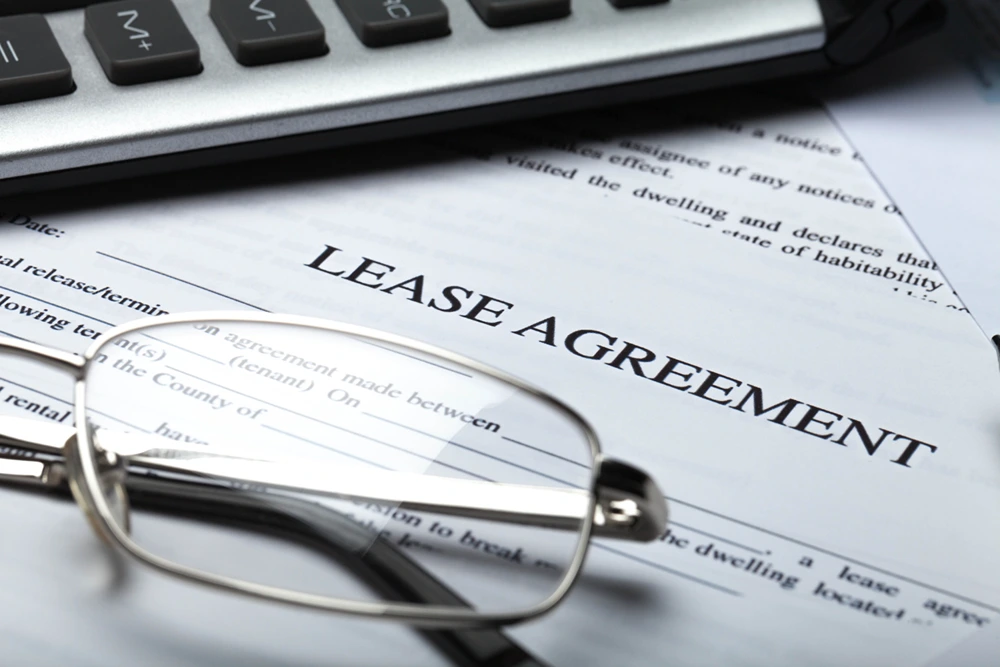
A leasehold property is an ownership arrangement in which the leaseholder has the right to use and occupy the property for a specified period, as stipulated in a lease agreement with the freeholder. Essentially, you own the property but not the land it stands on. This lease agreement is legally binding and details the terms and conditions under which the leaseholder can reside in the property.
The freeholder, also known as the landlord, retains ownership of the land and is responsible for the building’s maintenance, insurance, and repairs. This includes the upkeep of common parts such as hallways, gardens, and exterior walls. The freeholder may charge the leaseholder for these services through ground rent and service charges, which are typically outlined in the lease.
Common lease lengths for new build properties generally range from 99 to 125 years or longer. Longer leases are generally more favourable, as properties with shorter lease terms can be less valuable and more difficult to sell. It is advisable for leaseholders to be aware of the remaining term on their lease as it can significantly impact the property’s value and mortgageability.
Elements typically found in a lease agreement include:
- Duration of lease
- Obligations of the leaseholder
- Rights to occupy and use
- Maintenance responsibilities
- Ground rent and service charges
Leasehold vs Freehold: Key Differences
Freehold ownership means you own both the property and the land it stands on outright, whereas leasehold properties are sold under a lease agreement. In a leasehold arrangement, the leaseholder owns the property for a specified period as defined in the lease contract.
Duration of Ownership and Rights Involved:
One of the primary differences between freehold and leasehold properties is the duration of ownership. Freehold ownership is indefinite, providing the owner with permanent rights to the property and land. In contrast, leasehold ownership is temporary, lasting only for the term specified in the lease, which can range from 99 to 125 years or longer for new builds. This finite duration means that the leaseholder’s rights to the property expire when the lease term ends, unless it is renewed.
Property Management and Maintenance:
In a freehold arrangement, the owner is responsible for all aspects of property management and maintenance. This includes repairs, insurance, and upkeep of both the building and the land. On the other hand, in a leasehold setup, the freeholder (or landlord) retains responsibility for the building’s maintenance, insurance, and repairs. Leaseholders typically pay for these services through ground rent and service charges outlined in the lease agreement. While this can relieve leaseholders of some management burdens, it also means they have less control over how maintenance is carried out and at what cost.
Financial Aspects:
Financially, freehold properties are often simpler to manage because there are no ongoing ground rents or service charges. Leaseholders, however, are required to pay ground rent to the freeholder for the land, which can range from a nominal “peppercorn” amount to thousands of pounds annually. Additionally, leaseholders pay service charges for the upkeep of common areas and building maintenance. These financial obligations can add significant costs over time and should be carefully considered when purchasing a leasehold property.
| Aspect | Leasehold | Freehold |
|---|---|---|
| Ownership Duration | Specified lease term (e.g., 99-125 years) | Indefinite |
| Property Rights | Temporary, as per lease | Permanent |
| Maintenance Responsibility | Freeholder | Owner |
| Financial Obligations | Ground rent and service charges | No ongoing fees |
Rights and Obligations of Leaseholders
Leaseholders have the right to ‘quiet enjoyment’ of their property, which means they can reside in their home without undue interference from the freeholder. This right ensures that leaseholders can use their property peacefully, without the landlord or any third party disrupting their occupancy. Additionally, leaseholders have the right to be informed about major works and any significant changes that could affect their living conditions or financial obligations.
One of the primary obligations of leaseholders is the payment of ground rent to the freeholder. Ground rent is a fee for the land on which the property stands and can vary widely, from a nominal amount to a substantial annual fee. In addition to ground rent, leaseholders are also responsible for paying service charges. These charges cover the costs of maintaining and repairing the building and common areas, such as hallways, gardens, and exterior walls. It is crucial for leaseholders to budget for these expenses, as failing to pay them can lead to legal action by the freeholder.
Legal protections are in place to ensure fair treatment of leaseholders. For instance, if service charges are deemed unreasonable, leaseholders have the right to challenge them through a tribunal. Additionally, leaseholders have the right to extend their lease, which can add significant value to their property. Dispute resolution mechanisms are also available to address conflicts between leaseholders and freeholders, providing a structured process to resolve issues amicably.
Key rights and obligations of leaseholders include:
- Right to quiet enjoyment
- Obligation to pay ground rent
- Responsibility for internal maintenance
- Right to extend lease
- Obligation to comply with lease terms
- Right to challenge unreasonable service charges
- Right to be informed about major works
Pros and Cons of Leasehold Property
Owning a leasehold property comes with several potential benefits.
What are the advantages of leasehold property? One of the main advantages is the lower purchase price compared to a freehold property. This makes it an attractive option for first-time buyers or those with budget constraints. Additionally, leasehold properties often come with managed maintenance and repairs, relieving leaseholders of the responsibility for external upkeep. If the lease is well-written and the property management reasonable, a leasehold property can be a secure investment. Leaseholders also gain access to amenities in communal areas, such as gardens or gyms, which are maintained by the freeholder. Another advantage is the potential to extend the lease or even purchase the freehold, offering flexibility and long-term security.
What are the disadvantages of leasehold property? Despite the benefits, there are notable drawbacks. Leaseholders are required to pay ground rent and service charges, which can add up over time. These ongoing costs can impact the overall affordability of the property. Restrictions are another common issue; leases often include prohibitions on keeping animals, requirements to decorate periodically, and bans on structural alterations. The length of the lease can also affect property value; shorter leases may make it difficult to sell or remortgage the property. Additionally, any changes or alterations typically require the freeholder’s consent, adding another layer of complexity and potential delays. Finally, there is always the potential for disputes with the freeholder, which can be time-consuming and stressful to resolve.
What should buyers consider when evaluating leasehold properties? It’s crucial to balance the pros and cons. While the lower purchase price and managed maintenance are appealing, buyers must be aware of the ongoing financial obligations and restrictions. Understanding the terms of the lease and the role of the freeholder can help in making an informed decision.
Pros:
- Lower purchase price compared to freehold
- Managed maintenance and repairs
- Secure investment with well-written lease
- Access to amenities in communal areas
- Potential to extend lease or purchase freehold
Cons:
- Ground rent and service charges
- Restrictions on alterations
- Lease length affecting property value
- Need for freeholder’s consent for changes
- Potential for disputes with freeholder
The Process of Extending a Lease
If you have held a leasehold house for at least two years, you have the legal right to extend your lease by 50 years. Extending a lease can significantly increase the market value of a property, typically adding 90 years to the lease term. This ensures greater security and can make the property more attractive to potential buyers or lenders.
The initial steps in extending a lease begin with checking your eligibility. To qualify, you must have owned the property for at least two years. Once eligibility is confirmed, the next step involves serving formal notice to the freeholder, signalling your intention to extend the lease. This notice must be served correctly and include specific information, such as your proposed premium for the lease extension.
Following the service of notice, the negotiation process begins. Both parties will need to agree on the premium to be paid for the lease extension. This fee is usually determined by a professional valuation, which assesses the current value of the property, the ground rent, and the number of years remaining on the lease. Negotiating this amount can be complex and may require the assistance of a solicitor or a chartered surveyor.
Extending the lease can have a significant impact on the property’s value. A longer lease term makes the property more marketable and can increase its worth. It also provides peace of mind for the leaseholder, knowing they have secured their right to the property for an extended period. Once the terms are agreed, the legal paperwork must be completed and registered with the Land Registry, finalising the lease extension.
Steps for extending a lease:
- Check eligibility for lease extension
- Serve formal notice to freeholder
- Obtain a lease extension valuation
- Negotiate the premium with the freeholder
- Complete legal paperwork
- Register the extended lease with Land Registry
Financial Considerations for Leasehold Properties

Ground rent is a fee paid by the leaseholder to the freeholder for the land on which the property stands. How much is ground rent? Ground rent amounts can range from a nominal “peppercorn” fee to thousands of pounds annually. The specific amount and any potential increases are usually outlined in the lease agreement. These increases can be periodic and are often tied to specific dates or events, making it important for leaseholders to understand the terms in their lease.
Service charges are another significant financial aspect of owning a leasehold property. What do service charges cover? Service charges are payments made to the freeholder to cover the costs of maintaining and repairing the communal areas and the building itself. This can include anything from cleaning and gardening to structural repairs and insurance. It is crucial for leaseholders to review their lease agreements to understand what is included in these charges and to budget accordingly, as these costs can vary significantly.
In addition to ground rent and service charges, leaseholders may encounter several other fees. What are additional fees in leasehold properties? These can include notice of transfer fees, notice of charge fees, and contributions to a sinking fund. A sinking fund is a reserve fund set up to cover major works or emergencies, ensuring that sufficient funds are available when large-scale repairs or replacements are needed. This proactive approach helps to spread the cost of major works over time, reducing the financial burden on leaseholders.
To manage and budget for these various costs, leaseholders should regularly review their financial commitments and set aside funds for anticipated expenses. How can leaseholders effectively manage these costs? Keeping detailed records of all payments, understanding the terms of the lease, and planning for periodic increases in ground rent and service charges are essential steps. Additionally, participating in leaseholder meetings and staying informed about upcoming works can help in anticipating future costs and ensuring that funds are allocated efficiently.
| Expense Type | Description | Typical Cost |
|---|---|---|
| Ground Rent | Fee paid to freeholder for land | £0 – £1,000+ annually |
| Service Charges | Maintenance and repair costs | £500 – £2,000+ annually |
| Notice of Transfer Fee | Fee for recording ownership change | £50 – £200 |
| Notice of Charge Fee | Fee for registering a mortgage | £50 – £200 |
| Sinking Fund | Reserve fund for major works | Varies based on property |
Final Words
Navigating the world of leasehold property entails understanding its unique aspects, including the lease agreement, freeholder responsibilities, and typical lease lengths.
We’ve compared leasehold to freehold ownership, highlighting differences in rights, management, and financial obligations.
Essential rights and obligations of leaseholders, along with the pros and cons, help provide a balanced perspective.
Lease extensions and financial considerations are also critical components, offering paths for increased property value and well-informed financial planning.
Leasehold property can be a sound investment with the right knowledge and careful management, ensuring peace of mind for homeowners.

Sadie focuses on business growth strategies, market trends, and innovative solutions that drive operational efficiency and long-term success.